One full year later, Devon walks slowly through his old neighborhood, now visibly transformed. New trees line streets that were once barren and dusty. Professional air quality monitors based directly on his original design, but now manufactured at scale, stand at key intersections. Their real-time data is publicly accessible to anyone through a simple smartphone application. He stops for a moment outside the federal courthouse where everything first began. The exterior of the building looks unchanged, but much has shifted inside its walls. A new bronze plaque near the entrance announces the establishment of the Environmental Justice Review Board, created in the direct aftermath of the Harmon-Whitfield scandal.
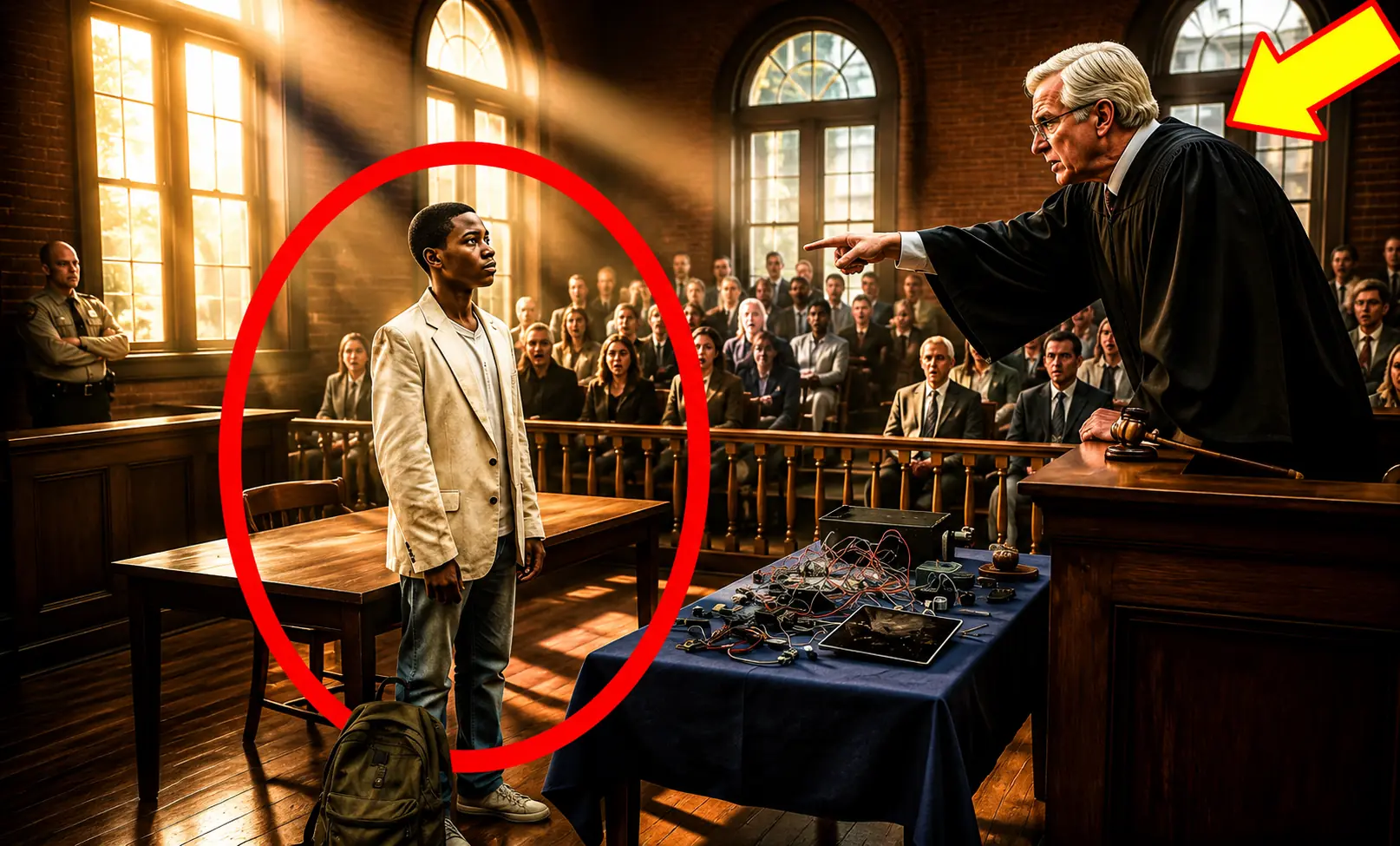
Devon enters the building and passes through security without any incident or delay. The guard on duty nods to him with clear respect, recognizing his face immediately. In the main public hall, a community exhibition showcases environmental data collected from across the entire city. Schoolchildren gather excitedly around interactive displays showing measurable air quality improvements over the past twelve months. Laura Chen, now serving as Environmental Justice Special Counsel, meets him beside a display that features his original project—carefully restored and preserved as a historical catalyst for change. The touring exhibition opens in Chicago next month, she tells him with a smile. Your story has already inspired similar student-led projects in forty-seven different cities. How is the broader judicial reform work progressing? Devon asks. Seventeen judges have undergone formal review for similar pattern-based rulings. Five of them chose to resign rather than face full investigation. Laura’s smile widens slightly. And Judge Harmon is currently performing court-ordered community service. Ironically, part of his plea agreement requires him to work directly in some of the same neighborhoods his earlier rulings harmed the most.
They walk together toward a conference room where Robert Taylor waits with several Justice Department officials and local community leaders. Large maps on the walls show dramatic, measurable improvements in environmental compliance across previously neglected neighborhoods. The data still doesn’t lie, a senior health department official reports to the group. Childhood asthma hospitalizations are already down thirty-two percent in the most affected communities. Adult respiratory conditions are showing similar positive trends. Robert greets his son with a proud embrace. Devon’s original monitoring system has been formally adopted as the national standard for community-based air quality assessment. Devon shakes his head slowly, still processing the full scale of the impact. It was never really about the technology itself. It was always about asking a simple question: who deserves equal protection under the law?
A community leader stands to address the room. We lived with environmental discrimination for generations in these neighborhoods. We always knew the air was making our children sick, but without hard data—without proof that officials could not ignore—our complaints were consistently dismissed. Sometimes justice requires clear evidence, Robert agrees. But it also requires people willing to stand their ground when powerful interests tell them to remain silent. After the formal meeting concludes, Devon and his father walk together through the neighborhood where the original project first began. Children play freely in a new public park built on the site of what was once an illegal dumping ground. Elderly residents sit on their porches in the late afternoon light, breathing noticeably cleaner air. Senator Whitfield’s formal sentencing is scheduled for tomorrow, Robert mentions. His development company has been ordered by the court to fund comprehensive environmental remediation across all affected areas for the next twenty years.








