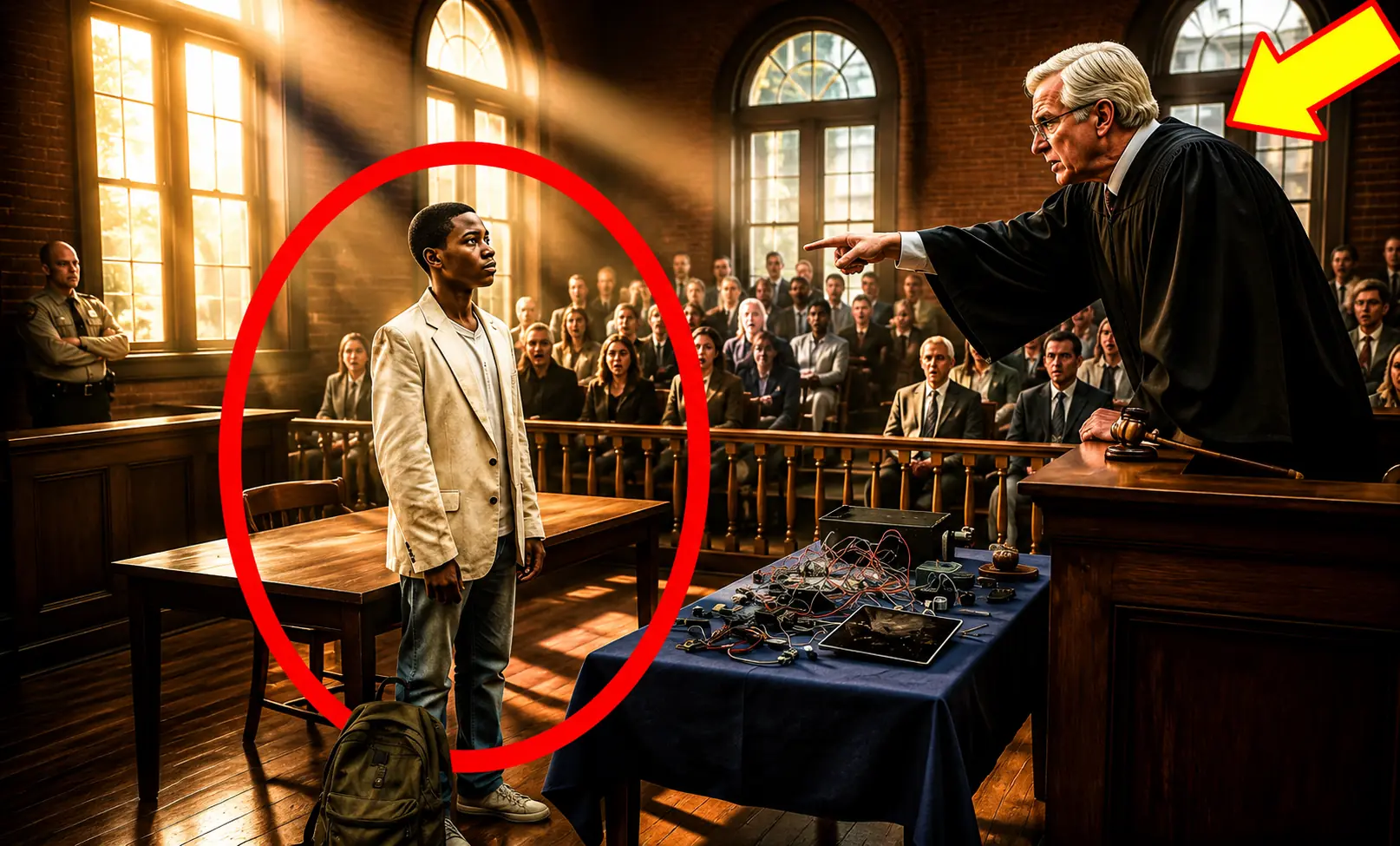
Laura approaches Devon with a small smile. The environmental committee called again this morning. They want your full presentation tomorrow, this time with complete Justice Department protection. By evening, news of Judge Harmon’s suspension spreads rapidly across every local and national outlet. Devon watches the coverage at home with both of his parents. Sources confirm the investigation began after Judge Harmon attempted to confiscate and destroy scientific evidence collected by a high school student, a reporter announces. The evidence allegedly showed environmental protection laws being selectively enforced in minority neighborhoods for years. Devon’s mother turns toward her husband. How big is this situation going to become? Very large, Robert replies quietly. Senator Whitfield’s development companies have been exploiting these exact neighborhoods for years—buying property cheap after environmental violations made the areas undesirable, then flipping the same properties after selective and incomplete cleanups.
But why specifically target Devon’s project so aggressively? his mother asks. Because real data doesn’t lie, Devon answers for himself. My air quality measurements created a precise map that matched perfectly with Judge Harmon’s discriminatory sentencing patterns. It connected environmental racism directly to judicial misconduct in a way that could no longer be ignored. Robert’s phone rings. He answers, listens carefully, then sighs. Senator Whitfield is already calling for an investigation into the investigation itself. He claims the entire matter is politically motivated. Is it? Devon asks. Justice is never political, son. Robert’s expression hardens with resolve. But those who systematically obstruct justice often hide behind political claims when they are finally exposed.
The next morning, Devon presents his complete findings to the environmental committee once more. This time his project sits intact and fully operational on the table before him. FBI agents stand discreetly around the perimeter of the room. These air quality readings were taken continuously over six months across multiple neighborhoods, Devon explains while displaying his clear data. The pattern is unmistakable. Environmental violations are reported at similar rates across the entire city, yet formal enforcement actions are concentrated almost exclusively in more affluent areas. Committee members examine his findings with new and deeper understanding of their broader significance. This data will be essential to the ongoing federal investigation, Dr. Lawson announces. Mr. Taylor, the committee would like to fund a major expansion of your monitoring system to cover the entire metropolitan area.
As they leave the meeting, Laura Chen joins them in the hallway. Judge Harmon’s attorney called my office an hour ago. He wants to discuss a possible deal. Robert raises one eyebrow. Already? He must realize we have far more evidence than we’ve publicly shown so far. The first dominoes are falling, Laura confirms. Three additional judges with nearly identical ruling patterns have already requested temporary leaves of absence. Senator Whitfield’s primary development company stock dropped thirty percent when markets opened this morning. Devon takes in all of this information quietly. His simple high school science project has triggered a cascade of long-overdue accountability. What happens now? he asks his father. Justice, Robert answers simply. And perhaps, finally, cleaner air for the people in your neighborhood. As Judge Harmon seeks a deal to save himself, who else will fall in this rapidly widening investigation?








