“I’ll help make the list. I can write names. I used to teach second grade. If I could keep thirty seven-year-olds organized, I can manage a room full of adults.”
By lunchtime, she had arranged a table where residents could ask for medication refills, building updates, and transportation without telling their stories to a new stranger every hour.
When Lena arrived with fresh information from Incident Command, she found her mother sitting beneath a handwritten sign that said *QUESTIONS WE STILL NEED ANSWERED.*
“You made a department,” Lena said.
“Someone had to. You made a whole state bureau and still couldn’t find me a dry pair of slippers.”
Lena laughed, then sat beside her and allowed the exhaustion to show.
Loretta studied her face. “You feel guilty.”
“About some things.”
“You caught the problem in time to get us moving. You don’t get to take the blame for the things other people ignored.”
“I’m still trying to understand why the warnings didn’t work.”
“Then understand it,” her mother said. “And don’t just fix a machine. Make sure somebody listens when it fails a test.”
Lena looked around the gym. The people there were not waiting for a single extraordinary person to rescue them. They were already building a system of their own: shared chargers, lists on walls, rides for strangers, and someone making certain the quietest residents were not forgotten.
For the first time that day, she took out her notebook and wrote a heading that was not about concrete or water levels.
*What a warning must do for a person, not just a device.*
Chapter Eleven: The File That Had Her Name
The first person to ask Lena for an interview was a television reporter standing outside the emergency operations center at nine that morning.
The reporter had a rain cover over her microphone and a cameraman whose boots looked entirely unsuited to the mud.
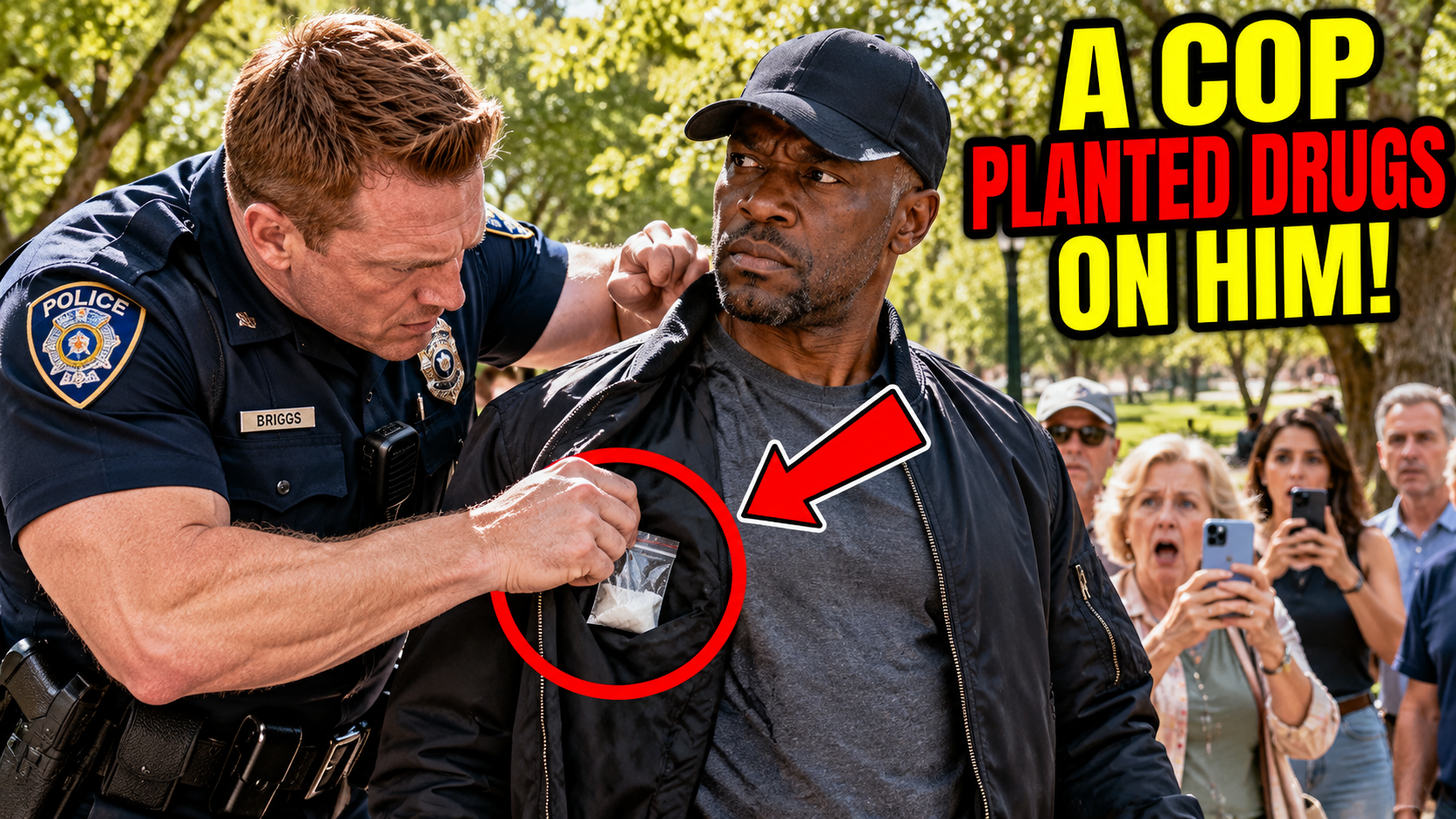
“Doctor Mercer! Is it true a county deputy arrested you while you were trying to prevent a disaster?”
“I’m working with emergency management,” Lena said. “Please use the county updates for current road conditions. People still need those roads.”








